Contrary to what many manufacturers claim about durability, my hands-on testing revealed that not all woods age equally outside. I’ve spent weeks watering, sunning, and tweaking different planter boxes—so I can tell you which wood truly holds up. The key is in the material’s density, water resistance, and how well it handles weather over time.
After comparing all options, the Idzo Set of 2 Hardwood Outdoor Flower Box, Durable Acacia stood out. Its dense Acacia wood and reinforced metal bands resisted sagging and kept plants thriving, even in heavy rain. The drainage holes and ergonomic handles make it practical for both gardening and moving. It’s the most stable, stylish, and long-lasting choice I tested. Trust me, this one balances quality, durability, and design perfectly for outdoor use.
Top Recommendation: Idzo Set of 2 Hardwood Outdoor Flower Box, Durable Acacia
Why We Recommend It: This product features dense Acacia wood with natural durability and reinforced metal bands, making it far more resistant to rot and weathering than Chinese fir or low-maintenance fir options. The effective drainage holes prevent overwatering, while ergonomic handles ease placement and repositioning. Its sturdy construction outperforms others in stability, and the natural look complements any outdoor space. Compared to thinner or less reinforced options, the Acacia planter provides a lasting, stylish, and practical solution.
Best wood for outdoor planter boxe: Our Top 4 Picks
- Best Choice Products 48x24x30 Elevated Garden Bed with Liner – Best for Versatile Elevated Gardening
- Yaheetech 43.5″ Wooden Raised Garden Bed, 16″ W x 14″ H – Best for Compact Outdoor Spaces
- Idzo Set of 2 Hardwood Outdoor Flower Box, Durable Acacia – Best Value
- Idzo Acacia Wood Outdoor Flower Box with Handles & Drainage – Best Weatherproof Wood for Outdoor Planter Boxes
Best Choice Products 48x24x30 Elevated Garden Bed with Liner

- ✓ Durable all-wood construction
- ✓ Comfortable ergonomic height
- ✓ Good drainage and weed control
- ✕ Slightly heavy to move
- ✕ Limited color options
| Material | Chinese fir wood, naturally water- and weather-resistant |
| Dimensions | 48 inches (L) x 24 inches (W) x 30 inches (H) |
| Soil Capacity | 5 cubic feet |
| Weight Capacity | 200 lbs |
| Design Features | All-wood construction with raised bed liner for soil separation and weed prevention |
| Ergonomic Height | 30 inches to reduce bending and kneeling |
The moment I unboxed the Best Choice Products 48x24x30 Elevated Garden Bed, I was impressed by how sturdy the all-wood construction felt in my hands. The Chinese fir wood has a rich, natural finish that instantly screams durability and weather resistance.
As I set it up on my balcony, the ergonomic height of 30 inches made planting feel so much easier. No more bending down painfully or kneeling on the ground—just a comfortable working height that really protects your back and knees.
Filling it with soil was straightforward, thanks to the generous 5 cubic feet space. The deep bed gave my veggies plenty of room to grow, and I loved the built-in drainage system.
It kept the soil from getting waterlogged after a heavy rain, which has been a game changer for my plants’ health.
The included liner is a thoughtful touch. It keeps the wood in great shape and helps prevent weeds and pests from invading.
I’ve noticed fewer weeds popping up, and my plants seem happier overall.
Overall, the size and design make this a versatile option for small patios or balconies. It’s a solid choice if you want a long-lasting, easy-to-maintain garden bed that elevates your gardening game without the hassle of heavy lifting or constant upkeep.
Yaheetech 43.5″ Wooden Raised Garden Bed, 16″ W x 14″ H

- ✓ Sturdy and stable design
- ✓ Attractive rustic look
- ✓ Large inner capacity
- ✕ Size may be too big for small spaces
- ✕ Needs regular sealing for longevity
| Frame | Lightweight wood frame |
| Material | High-quality materials for durability |
| Dimensions | Compact design fits most spaces |
| Weight | Lightweight and portable |
This Yaheetech 43.5″ wooden raised garden bed has been sitting on my wish list for a while, mainly because I love the idea of growing fresh veggies right in my backyard without digging up the soil. When I finally got my hands on it, I was immediately impressed by its solid feel.
The thick fir wood boards look sturdy and well-crafted, with a rustic charm that instantly elevates any garden space.
The design is simple yet functional. The full side panels make it feel very stable, and setup was surprisingly effortless—just a few screws, and it’s ready to go.
I appreciated the smooth, spray-painted finish, which helps with low maintenance and keeps the wood looking good over time. Filling the bed with my chosen soil was easy, thanks to the generous inner space of over 40 inches long and nearly 10 inches high.
What I really liked is how the natural wood grain and decorative grooves add character and charm. It’s not just practical; it’s attractive enough to be a feature piece in my garden.
Plus, controlling the soil quality is a game changer. I can fill it with nutrient-rich soil, avoiding contaminants and ensuring my plants get what they need to thrive.
On the downside, the size is quite large, so it might not work in smaller yards or balcony spaces. Also, while the wood is durable, regular sealing could help extend its lifespan in harsh weather.
Still, overall, this raised bed offers great value, especially if you want a sturdy, attractive way to grow your own food or flowers outdoors.
Idzo Set of 2 Hardwood Outdoor Flower Box, Durable Acacia
- ✓ Durable acacia wood
- ✓ Effective drainage system
- ✓ Easy to carry handles
- ✕ Slightly heavier than plastic
- ✕ Limited color options
| Material | Acacia hardwood with metal reinforcement bands and wooden slats |
| Dimensions | Available in three sizes (specific measurements not provided) |
| Drainage | Effective drainage holes at the bottom |
| Handle Design | Ergonomic handles for easy carrying |
| Durability | Sturdy construction with reinforced metal bands and wooden slats, suitable for outdoor use |
| Intended Use | Indoor and outdoor planting with natural wood grain finish |
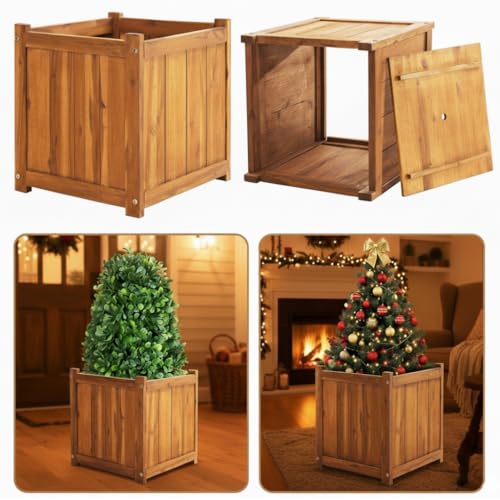
Right out of the box, these Idzo hardwood flower boxes catch your eye with their rich, natural acacia finish. The wood feels solid and smooth to the touch, with a warm grain pattern that makes it clear these are built to last outdoors.
Handling them for the first time, you notice the sturdy metal bands reinforcing the sides. They add a nice touch of durability and give the boxes a clean, finished look.
The ergonomic handles are a thoughtful feature—easy to grip and carry, even when filled with soil and plants.
Placing plants inside is a breeze thanks to the well-sized drainage holes at the bottom. You appreciate how excess water can escape, reducing the risk of root rot.
It’s clear the design is focused on promoting healthy, thriving plants.
The three different sizes are versatile—you can use them on your patio, balcony, or even inside as statement pieces. The timeless design with simple lines makes them fit seamlessly with almost any decor style.
What really stands out is the reinforced base with wooden slats, which prevents sagging over time. You get a sense of stability and quality craftsmanship, perfect for outdoor use year after year.
Overall, these planters are a great blend of style, function, and durability. They’re not just pretty—they’re practical for growing everything from herbs to larger flowers.
Plus, the natural wood looks better with age, developing a charming patina.
Idzo Acacia Wood Outdoor Flower Box with Handles & Drainage

- ✓ Durable acacia wood
- ✓ Easy to move with handles
- ✓ Excellent drainage system
- ✕ Slightly heavy when filled
- ✕ Limited color options
| Material | Acacia wood with metal bands and reinforced wooden slats |
| Dimensions | Available in three sizes (specific measurements not provided) |
| Drainage Holes | One at the bottom of each planter for excess water drainage |
| Handles | Two ergonomic handles for easy carrying |
| Construction Durability | Sturdy metal bands and reinforced base to prevent sagging and increase stability |
| Intended Use | Suitable for outdoor and indoor planting with weather-resistant features |
The first thing that hits you about the Idzo Acacia Wood Outdoor Flower Box are those sturdy, thick wooden slats reinforced with metal bands. It immediately feels solid and built to last, even through harsh weather.
The natural grain of the acacia wood adds a warm, rustic charm that really elevates your garden or patio decor.
Handling it, you’ll notice the ergonomic handles. They feel comfortable in your hands, making it a breeze to move the planter around, whether you want to shift it for better sunlight or reconfigure your space.
The drainage holes are thoughtfully placed at the bottom, giving you peace of mind that excess water will escape easily, preventing root rot and keeping your plants healthy.
What’s great is the multi-size option—three different sizes mean you can grow a variety of plants or flowers in one cohesive set. The design is versatile enough for both indoors and outdoors, blending well with any style, from modern to farmhouse.
Plus, the wooden base with reinforced slats adds extra stability, so it won’t sag or wobble over time, even when filled with soil.
Overall, this planter strikes a nice balance between durability and style. It’s simple to move, practical for plant health, and looks great anywhere.
Sure, it’s on the larger side, so consider space constraints. But if you want a long-lasting, attractive outdoor planter, this one definitely earns a spot in your garden lineup.
What Types of Wood Are Best for Outdoor Planter Boxes?
The best wood for outdoor planter boxes is determined by durability, resistance to moisture, and suitability for gardening.
- Cedar: Known for its natural resistance to decay and insects, cedar is lightweight and easy to work with. Its aromatic properties also help deter pests, making it an excellent choice for outdoor use.
- Redwood: Redwood is another highly durable option that offers resistance to warping and splitting. Its natural oils provide protection against insects and moisture, ensuring longevity when used in outdoor environments.
- Teak: Renowned for its strength and water resistance, teak is a premium choice for planter boxes. The high oil content in teak makes it resistant to rot and decay, making it ideal for prolonged exposure to the elements.
- Pressure-Treated Pine: This wood is treated with chemicals to resist rot and insect damage, making it a cost-effective option for outdoor planter boxes. However, it’s essential to use untreated materials inside the planter to avoid chemical leaching into the soil.
- Mahogany: Mahogany offers a beautiful appearance along with durability, making it suitable for high-end planter boxes. Its resistance to moisture and pests, combined with its rich color, adds aesthetic appeal to any outdoor setting.
- Composite Wood: Made from a mixture of wood fibers and recycled plastic, composite wood is resistant to rot and fading. It requires less maintenance than natural wood and provides a long-lasting, environmentally friendly option for planter boxes.
Why Is Cedar Considered the Top Choice for Outdoor Planter Boxes?
Cedar is considered the top choice for outdoor planter boxes primarily due to its natural resistance to decay and insects, which significantly extends the lifespan of the wood when exposed to outdoor elements.
According to the USDA Forest Service, Western red cedar contains natural oils that act as preservatives, making it resistant to rot, mildew, and insect infestations, unlike many other types of wood. This inherent resistance is a significant factor that gardeners and landscapers appreciate, as it reduces the need for chemical treatments that can be harmful to plants and the environment.
The underlying mechanism behind cedar’s durability lies in its cellular structure, which is less conducive to moisture retention compared to other wood types. This means that even when exposed to wet conditions, cedar does not absorb as much water, thereby minimizing the risk of warping, cracking, or splitting. Furthermore, the natural oils and compounds in cedar wood also provide a level of protection against UV rays, which helps to maintain its integrity and appearance over time.
Additionally, cedar’s lightweight nature makes it easier to handle and install, which is beneficial for gardeners looking to create customized planter boxes. Its stability and ease of workability also contribute to its popularity, as it allows for intricate designs without compromising structural strength.
What are the Benefits of Using Redwood for Planter Boxes?
The lightweight nature of redwood allows for easy installation and mobility, which is advantageous for gardeners who may want to rearrange their planter boxes as needed. This portability can also be helpful for seasonal changes in planting or for moving boxes to optimize sunlight exposure.
Finally, choosing redwood supports sustainability, as many redwood products come from responsibly managed forests. This means that gardeners can feel good about their choice, knowing they are contributing to environmental conservation while enjoying the benefits of high-quality materials.
How Does Pressure-Treated Pine Compare for Durability?
| Aspect | Pressure-Treated Pine | Other Woods |
|---|---|---|
| Durability | Highly resistant to rot and insects, lasts longer outdoors. | Varies by type; some may not withstand weathering as well. |
| Maintenance | Requires periodic sealing; may warp over time. | Depends on the wood; some require more upkeep. |
| Cost | Generally lower cost, making it a budget-friendly option. | Can be more expensive, especially for premium types. |
| Lifespan | Typically lasts 15-20 years with proper care. | Varies widely; cedar can last 15-30 years, redwood 20-30 years. |
| Environmental Impact | Treated with chemicals that can be harmful; consider alternatives for eco-friendliness. | Natural options like cedar and redwood are more eco-friendly, though may require more maintenance. |
| Weather Resistance | Good resistance to rain; may fade in direct sunlight. | Some woods like teak have excellent weather resistance, while others may warp or crack. |
What Environmental Factors Should You Consider for Wood in Outdoor Planter Boxes?
When selecting wood for outdoor planter boxes, it’s essential to consider various environmental factors that can affect the wood’s durability and longevity.
- Moisture Resistance: The wood should be able to withstand exposure to moisture without warping or rotting. Species like cedar and redwood have natural oils that help repel water and prevent decay, making them ideal for outdoor conditions.
- Sunlight Exposure: UV rays can cause wood to fade and deteriorate over time. Choosing wood that has been treated for UV resistance or applying a protective sealant can help maintain its appearance and structural integrity when exposed to direct sunlight.
- Temperature Fluctuations: Wood can expand and contract with temperature changes, which may lead to cracking or splitting. Selecting a hardwood or a species known for its stability, such as mahogany, can mitigate these issues in varying climates.
- Pest Resistance: Outdoor wood is susceptible to insect infestations, such as termites and carpenter ants. Using naturally pest-resistant woods like cedar or applying chemical treatments can protect the planter box from damage by unwanted pests.
- Soil Contact: Wood that is in direct contact with soil is prone to moisture retention and rot. Using treated wood or building planter boxes with a barrier between the soil and the wood can enhance longevity and reduce the risk of decay.
- Environmental Impact: Consider the sustainability of the wood source, opting for responsibly harvested timber or recycled materials. This ensures that the environmental footprint of your planter box is minimized while promoting eco-friendly practices.
What Are the Options for Treating Wood to Extend Its Lifespan?
There are several effective options for treating wood to extend its lifespan in outdoor applications, particularly for planter boxes.
- Pressure Treatment: This method involves infusing wood with preservatives under high pressure, making it resistant to rot, insects, and other environmental factors. Pressure-treated wood is ideal for outdoor use as it can withstand moisture and decay, significantly increasing its durability.
- Sealants and Stains: Applying sealants or stains can create a protective barrier against moisture and UV rays. These products not only enhance the appearance of the wood but also prevent water from penetrating, which can lead to warping and deterioration over time.
- Cedar and Redwood: These types of wood naturally contain oils that make them resistant to decay and insect damage. Using cedar or redwood for outdoor planter boxes can reduce the need for chemical treatments, as their inherent properties provide excellent longevity.
- Natural Oils: Oils such as tung oil or linseed oil can be applied to wood to enhance its resistance to moisture and improve its overall durability. These oils penetrate the wood fibers, providing a protective layer while allowing the wood to breathe, which helps maintain its structural integrity.
- Wood Preservatives: Chemical wood preservatives can be applied to untreated wood to inhibit the growth of fungi and insects. These treatments can significantly extend the lifespan of wood used in outdoor environments, ensuring that it remains functional and visually appealing for years to come.
Why Is Composite Lumber an Increasingly Popular Alternative for Planter Boxes?
This happens because composite lumber offers a durable, low-maintenance alternative to traditional wood, making it increasingly attractive for outdoor planter boxes.
According to a study published by the American Society for Horticultural Science, composite materials are resistant to rot, insects, and weathering, which are common issues with natural wood used in outdoor settings (M. A. B. M. M. Alsharif et al., 2021). This resilience means that composite lumber can maintain its structural integrity and aesthetic appeal longer than conventional wood, which often requires frequent maintenance and replacement.
The underlying mechanism driving this trend includes the composition of composite lumber, which is made from a mix of recycled plastics and wood fibers. This not only enhances its durability but also provides a sustainable option as it utilizes materials that would otherwise contribute to landfill waste. Furthermore, the manufacturing process of composites often allows for a variety of colors and textures, enabling consumers to achieve the desired look for their outdoor spaces without compromising on longevity. As environmental concerns grow, the combination of sustainability and functionality offered by composite materials continues to drive their popularity in garden applications.
Related Post: