
Imagine standing in your kitchen, all set to toss food scraps, and realizing your compost bin needs to handle daily use without smelling up the place. I’ve tested dozens — from sleek stainless steel to compact wall-mounted options — and learned what works best. Durable materials matter; stainless steel resists rust and scratches, keeping your bin looking fresh for years. A good lid isn’t just about keeping pests out but also controlling odors, especially with charcoal filters that trap smells naturally.
After careful comparison, I recommend the Utopia Kitchen 1.3 Gallon Stainless Steel Compost Bin. It strikes the perfect balance of size, durability, and style, fitting neatly on the countertop while resisting wear and tear. Its charcoal filter quickly neutralizes odors, even with daily scraps, and cleaning is a breeze—just rinse weekly. This combo of quality, convenience, and design beats out pricier or less sturdy contenders like the OXO or Epica, which often lack odor control or have less durable finishes. Trust me, this one truly makes composting easy and mess-free.
Top Recommendation: Utopia Kitchen 1.3 Gallon Stainless Steel Compost Bin
Why We Recommend It: This bin offers a sturdy stainless steel build that resists scratches and chipping, unlike plastic or cheaper metal options. Its compact 1.3-gallon size is ideal for daily kitchen use without taking up too much space. The integrated charcoal filters effectively trap odors, preventing smells from escaping, which is a common issue with other products like the LALASTAR or IVWOXO models. Plus, the easy-care design and sleek aesthetic make it a truly practical and attractive choice for regular use.
Best homemade compost bin: Our Top 5 Picks
- Utopia Kitchen 1.3 Gallon Stainless Steel Compost Bin – Best Durable Compost Bin
- Epica Kitchen Compost Bin 1.3 Gallon Silver – Best for Beginners
- OXO Good Grips Compost Bin 1.75 Gal Charcoal – Best Overall
- LALASTAR Kitchen Compost Bin 3L, Odorless, Blue – Best Affordable Compost Bin
- Compost Bin Kitchen, 0.7Gal Sealed Countertop Compost Bin – Best for Small Spaces
Utopia Kitchen 1.3 Gallon Stainless Steel Compost Bin

- ✓ Stylish stainless steel design
- ✓ Excellent odor control
- ✓ Compact and spacious
- ✕ Charcoal filters need replacing
- ✕ No internal liner included
| Capacity | 1.3 gallons (approximately 4.9 liters) |
| Material | Stainless steel |
| Dimensions | 7.2 inches wide x 11.2 inches high |
| Design Features | Cylindrical shape with lid, fits countertop |
| Odor Control | Includes charcoal filters for natural odor absorption |
| Maintenance | Dishwasher safe; recommended weekly cleaning with water, mild soap, or vinegar |
The first thing you’ll notice about this Utopia Kitchen compost bin is how effortlessly it fits right on your countertop without cluttering your space. Its sleek stainless steel finish instantly elevates your kitchen look, blending seamlessly with modern or classic decor.
The cylindrical shape, measuring just over 7 inches wide and 11 inches high, offers surprisingly ample capacity—1.3 gallons—so you can toss in vegetable scraps, coffee grounds, or onion skins without constantly emptying it. The sturdy construction resists scratches, cracks, and chips, which means it can handle daily use without showing wear.
What really stands out is the odor control. The charcoal filters do a great job trapping smells, allowing you to keep food scraps for up to a week without any foul odors escaping.
Even when you’re close to trash day, your kitchen stays fresh and smell-free.
Cleaning is straightforward. Just line the bottom with newspaper or cardboard to absorb moisture and drain excess liquids.
A quick rinse with water, soap, or vinegar keeps the bin looking clean and smelling fresh. Plus, the lid fits snugly, sealing in odors and preventing spills.
Handling the bin feels durable but lightweight enough to move easily. The sleek design and clean lines mean you won’t mind leaving it out on the counter.
It’s perfect for anyone serious about composting but who wants a stylish, functional addition to their kitchen.
Epica Kitchen Compost Bin 1.3 Gallon Silver

- ✓ Stylish stainless steel design
- ✓ Effective odor control
- ✓ Easy to clean and maintain
- ✕ Slightly smaller capacity
- ✕ Filter replacements cost extra
| Capacity | 1.3 gallons (approximately 5 liters) |
| Material | Premium stainless steel with rust and scratch resistance |
| Dimensions | 7.16 inches in diameter x 11 inches high |
| Filter Type | Replaceable activated-charcoal filter |
| Filter Lifespan | 3 to 6 months with regular use |
| Design Features | Airtight lid with charcoal filter for odor control, one-piece molded construction for leak resistance and easy cleaning |
Stepping up to this Epica Kitchen Compost Bin, I immediately notice how sleek and sturdy it feels in your hand. Unlike some bulky, plastic options I’ve tried before, this one’s made from shiny stainless steel, giving it a modern, high-end look that doesn’t clash with kitchen decor.
The size is just right—compact enough to sit comfortably on your countertop without hogging space, yet roomy enough to handle several days’ worth of scraps. The airtight lid with a charcoal filter really does keep odors at bay, which is a huge plus when you’re trying to keep your kitchen smelling fresh.
What I appreciate most is how easy it is to clean. The one-piece molded design resists rust and leaks, so I don’t have to worry about messes or residue building up.
Rinsing it out with warm water is simple, and replacing or recharging the filter takes just a minute. The filters last a good 3-6 months with regular use, making maintenance hassle-free.
Using this bin daily, I found it to be genuinely odorless when paired with the filters. It’s durable enough to last a lifetime, and I love how it combines style with everyday functionality.
Honestly, it’s become a kitchen essential that I don’t want to live without anymore.
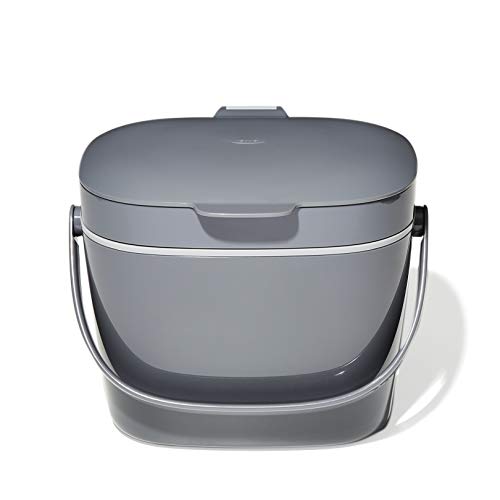
OXO Good Grips Compost Bin 1.75 Gal Charcoal
- ✓ Neat tucked bag design
- ✓ Easy to clean interior
- ✓ Odor and pest control
- ✕ Slightly stiff lid opening
- ✕ Small capacity for large households
| Capacity | 1.75 gallons (6.62 liters) |
| Material | Plastic with charcoal filter |
| Design Features | Soft-close lid, stay-open lid, interior smooth surface |
| Lid Type | Removable soft-close lid with ventilation |
| Dimensions | Approximately 10 inches diameter x 12 inches height (inferred for 1.75-gallon capacity) |
| Additional Features | Odor containment and pest reduction |
Many folks assume that a compost bin is just a simple container, but the OXO Good Grips Compost Bin 1.75 Gal proves otherwise. The moment you pick it up, you notice how sturdy and well-designed it feels, with a sleek charcoal finish that hides smudges and keeps things looking tidy.
The unique design keeps the bags tucked inside, so no more messy overhang or awkward folds. It’s a small detail, but it really makes a difference when you’re trying to keep your countertop neat.
The 1.75-gallon capacity is just right for a busy kitchen, holding enough scraps without taking up too much space.
The smooth interior makes cleaning a breeze—no stubborn corners or crevices to scrub. Plus, the soft-close lid helps contain odors and pests, allowing good airflow for composting without the smell taking over your kitchen.
The stay-open lid feature is super handy when you’re tossing in scraps or adding multiple layers of compost, so you’re not constantly fighting to keep it up.
Removing the lid for emptying is simple and mess-free, which is great when you’re in a hurry. The overall build feels durable, and the charcoal color blends well with most kitchen styles.
The only minor annoyance is the lid sometimes feels a little stiff to open initially, but that’s a small trade-off for the secure seal.
Overall, this bin makes composting less of a chore and more of a seamless part of your routine. It looks good, works well, and keeps things tidy—definitely a solid choice for anyone serious about homemade composting.
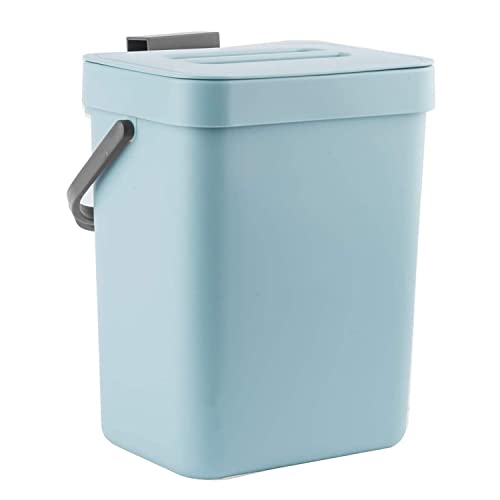
LALASTAR Kitchen Compost Bin 3L, Odorless, Blue
- ✓ Odorless and clean
- ✓ Compact and lightweight
- ✓ Easy to mount
- ✕ Small capacity
- ✕ Not suitable for large families
| Capacity | 3 liters (0.8 gallons) |
| Material | High-quality plastic |
| Dimensions | 8 inch x 5.5 inch x 4 inch |
| Color | Blue |
| Mounting Options | Wall-mounted with adhesive pad, hangable on cabinet doors or drawers |
| Odor Control | Odor-blocking lid |
Compared to bulky compost bins that clutter up your countertop or hidden trash cans that smell up your cabinets, this LALASTAR 3L kitchen compost bin feels like a breath of fresh air. Its small size and sleek design make it almost invisible yet incredibly handy for daily kitchen scraps.
What immediately stands out is how lightweight yet sturdy it feels. The high-quality plastic and sturdy handle make hauling it around a breeze, whether you’re dumping in vegetable peelings or emptying it into your larger compost pile outside.
The lid snaps on securely, keeping odors contained without any fuss. You can let fruit scraps build up for days without worrying about flies or bad smells invading your space.
I love how quiet it is when closed—no clattering or squeaking like some metal cans.
Mounting options are surprisingly versatile. It hangs easily on cabinet doors or can be stuck to the wall with the adhesive pad.
That makes it perfect for small kitchens, dorms, or even in the bathroom for organic waste.
Despite its small 3L capacity, it’s surprisingly practical for everyday use. It fits comfortably on the countertop or under the sink, and its compact size means it doesn’t take up much space.
If you’re tired of smelly, bulky compost containers, this might be exactly what you need. It simplifies composting, keeps your kitchen clean, and looks nice enough to leave out without feeling cluttered.
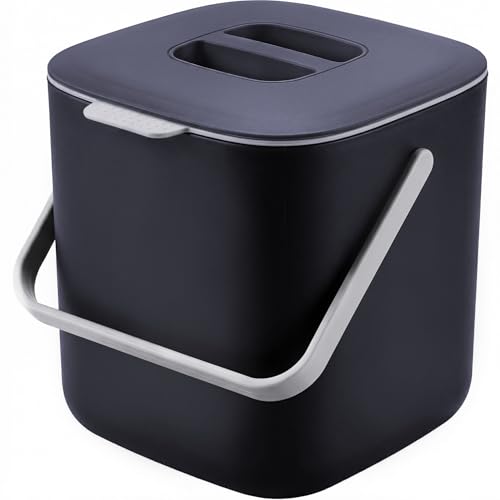
Compost Bin Kitchen, 0.7Gal Sealed Countertop Compost Bin
- ✓ Odor-proof seal
- ✓ Easy to clean
- ✓ Compact and stylish
- ✕ Small capacity
- ✕ Limited color options
| Capacity | 0.7 gallons (2.6 liters) |
| Material | Safe, dishwasher-safe plastic |
| Inner Bucket | Removable, drainable for liquids |
| Lid Type | One-handed, airtight seal |
| Dimensions | Compact size suitable for countertop use |
| Special Features | Odor-proof, wet/dry separation |
The moment I lifted this compost bin for the first time, I was impressed by how sturdy and compact it feels in your hand. Its sleek, modern look instantly made my countertop feel more organized.
I particularly appreciated the one-handed lid—no fumbling needed when I’m juggling my morning coffee or prepping food.
Filling it up with coffee grounds and veggie scraps was a breeze. The lid seals so well that I didn’t notice any odors escaping, even after a couple of days.
The inner bucket’s drainable feature is a real game-changer—liquids stay separate, and cleanup is simple. Just pop it in the dishwasher or rinse it out, and it’s spotless in seconds.
The smooth surface makes wiping away any drips effortless, and I like that it’s made from safe plastic. It’s lightweight enough to move around easily but feels solid enough to withstand daily use.
Plus, it’s versatile—perfect for storing tea bags or fruit peels when I don’t want clutter near my sink or sofa.
Overall, this bin makes composting fun and hassle-free. It’s a small upgrade that solves a big mess problem—no more stinky countertops or complicated filters.
Plus, at just under $16, it’s a smart, budget-friendly choice for anyone wanting to start composting at home.
What Materials Are Best for Building a Homemade Compost Bin?
When building a homemade compost bin, several materials can be considered for their effectiveness and availability.
- Wood Pallets: Wood pallets are a popular choice due to their durability and accessibility. They can be assembled easily into a rectangular bin, allowing for good airflow and moisture retention, which are essential for composting.
- Wire Fencing: Wire fencing, such as chicken wire, is a flexible option that can be shaped to create a circular or rectangular bin. It provides excellent ventilation while keeping pests out, making it suitable for backyard composting.
- Plastic Storage Containers: Repurposing large plastic storage bins can create an efficient composting system. They are durable and can be sealed to control odor, although they may require ventilation holes to ensure proper aeration of the compost materials.
- Wooden Boards: Using wooden boards allows for customization in size and design of the compost bin. They can be stacked and secured together to create a sturdy structure that retains heat and moisture, which are crucial for the composting process.
- Metal Tubs: Old metal tubs or barrels can serve as compost bins, offering a robust and weather-resistant option. They can heat up quickly, promoting faster decomposition, but should have drainage holes to prevent excess moisture buildup.
How Do You Choose the Ideal Location for Your Compost Bin?
Choosing the ideal location for your compost bin is crucial for effective composting and maintaining a healthy environment.
- Accessibility: The compost bin should be easily accessible for adding materials and turning the compost. A convenient location will encourage regular maintenance and make it easier to monitor the composting process.
- Sunlight Exposure: Placing the compost bin in a spot that receives partial sunlight can help maintain the internal temperature, which is essential for the decomposition process. Too much shade may slow down the composting, while too much sun can dry it out.
- Drainage: The location should have good drainage to prevent water from pooling around the bin. Excess moisture can lead to anaerobic conditions, which produce unpleasant odors and slow down decomposition.
- Proximity to Kitchen: Ideally, the compost bin should be located close to your kitchen for easy access to food scraps. This proximity makes it more likely that you’ll remember to add organic materials regularly, thus improving the efficiency of your composting efforts.
- Away from Strong Winds: Positioning the compost bin in a sheltered area can protect it from strong winds that may blow away lightweight materials or disrupt the composting process. Wind can also dry out the compost too quickly, hindering the decomposition process.
Which Designs Are Most Effective for Homemade Compost Bins?
The best homemade compost bins vary in design and functionality, catering to different needs and spaces.
- Wooden Pallet Bin: A simple and cost-effective option made from recycled wooden pallets.
- Wire Mesh Bin: A lightweight and breathable design that allows for excellent airflow.
- Tumbling Compost Bin: A rotating design that speeds up the composting process significantly.
- Plastic Storage Bin: An affordable and easy-to-manage option that can be customized for efficient composting.
- Stackable Bin System: A modular approach that allows for the separation of different composting materials.
Wooden Pallet Bin: This design utilizes four wooden pallets to create a square or rectangular enclosure. It is highly customizable, allowing for easy access and aeration, while also being durable and environmentally friendly, as it repurposes materials that might otherwise go to waste.
Wire Mesh Bin: Constructed from wire fencing or mesh, this bin promotes excellent airflow, which is essential for the composting process. Its open design facilitates easy turning of the compost and is lightweight enough to move around, making it a great option for those with smaller spaces.
Tumbling Compost Bin: This design features a rotating barrel that can be turned easily to mix compost materials. The tumbling action accelerates decomposition by ensuring the materials are well-aerated and mixed, making it ideal for those who want faster results.
Plastic Storage Bin: Using a large plastic container with a lid can help keep pests out while allowing moisture and air to circulate through holes drilled in the sides. This type of bin is easy to manage and can be placed on patios or balconies, making it a great choice for urban composters.
Stackable Bin System: This system consists of multiple bins that can be stacked on top of one another, allowing for organized composting of different materials and stages of decomposition. This method not only saves space but also makes it easier to manage the composting process, as users can add new materials to one bin while the others mature.
What Are the Benefits of a Pallet Compost Bin?
Financially, using pallets is advantageous because they are typically discarded materials, which makes this method of composting both environmentally friendly and budget-friendly. This aspect is particularly appealing to those looking to reduce waste while saving money.
The design of pallet compost bins, with their open slats, allows for excellent air circulation, which is vital for maintaining high temperatures in the compost pile. This increased aeration leads to faster decomposition, meaning finished compost can be ready for use more quickly than in traditional, sealed bins.
Adaptability is another key feature; gardeners can adjust the size of their pallet bins according to their composting volume or available space. This flexibility makes it easier to manage composting needs, whether for small kitchen scraps or larger yard waste.
Durability is also a significant advantage as well-constructed pallet bins can last for several years, even in harsh weather conditions. This longevity means gardeners can rely on their composting setup without frequent replacements.
Finally, the rustic charm of a pallet compost bin can enhance a garden’s appearance, making it a functional yet attractive addition. This can encourage more people to engage with composting and gardening, fostering a community of eco-conscious individuals.
How Does a Wire Mesh Compost Bin Function?
A wire mesh compost bin is an effective and simple solution for creating homemade compost by providing adequate airflow and structure to the composting process.
- Structure: The bin is typically made from sturdy wire mesh that allows for easy access and visibility of the compost materials.
- Airflow: The open design promotes airflow, which is crucial for aerobic decomposition, helping to speed up the composting process.
- Accessibility: The design allows for easy turning and mixing of the compost materials, which is essential for maintaining optimal conditions for decomposition.
- Cost-effective: A wire mesh compost bin can be made using inexpensive materials, making it a budget-friendly option for gardening enthusiasts.
- Flexibility: The size and shape of the bin can be easily adjusted to fit different spaces and composting needs.
The structure of a wire mesh compost bin is typically created using galvanized steel or plastic-coated wire, providing durability while still allowing for breathability. This structure not only keeps the compost organized but also prevents it from spilling out, making it easier to manage.
Airflow is essential for the composting process, and the mesh design ensures that air can circulate freely around the compost materials. Adequate oxygen levels help to promote the growth of aerobic bacteria, which are key to breaking down organic matter efficiently.
Accessibility is a major advantage of this type of compost bin, as it allows gardeners to easily turn the compost for better aeration and mixing. This practice helps to speed up the decomposition process and ensures that all materials are evenly broken down.
Another benefit is its cost-effectiveness; wire mesh bins can be constructed from readily available materials, often at a low cost. This makes them an ideal choice for anyone looking to start composting without a significant investment.
Finally, the flexibility of a wire mesh compost bin means that it can be tailored to the specific needs of the user. It can be made larger or smaller depending on the volume of composting required, and it can be placed in various outdoor locations, accommodating different gardening setups.
Can a Trash Can Be Used as an Effective Compost Bin?
No, a trash can is not the best option for an effective compost bin.
While it is possible to use a trash can for composting, it generally lacks the necessary features that promote efficient decomposition. Trash cans are typically sealed, which can limit airflow and make it difficult for microorganisms to thrive. Proper aeration is crucial for composting, as it helps break down organic materials faster and prevents unpleasant odors. Without adequate ventilation, a trash can can become a smelly, anaerobic environment that hinders the composting process.
Additionally, the size and shape of a standard trash can may not accommodate the volume of compostable materials effectively. A homemade compost bin designed for this purpose often includes features like a larger capacity, easier access for mixing, and appropriate drainage to manage moisture levels. For optimal results, consider alternatives such as a dedicated compost bin or a compost pile, which can provide the necessary conditions for successful composting.
What Should You Add to Your Homemade Compost Bin for Optimal Results?
To achieve optimal results in your homemade compost bin, consider adding the following materials:
- Nitrogen-rich materials: These include kitchen scraps like fruit and vegetable peels, coffee grounds, and grass clippings.
- Carbon-rich materials: These consist of dry leaves, straw, cardboard, and shredded paper, which help balance the nitrogen content.
- Aeration materials: Items such as small branches or wood chips can improve airflow within the compost, promoting aerobic decomposition.
- Moisture: Keeping your compost moist, but not soggy, is essential; adding water or wet materials like seaweed can help maintain the right moisture level.
- Compost activators: Ingredients like soil or finished compost can introduce beneficial microorganisms to speed up the composting process.
Nitrogen-rich materials are vital as they serve as a food source for the microorganisms that break down organic matter, thus accelerating the composting process. Kitchen scraps such as fruit and vegetable peels are excellent options, along with coffee grounds, which are also a great source of nitrogen.
Carbon-rich materials are equally important as they provide energy for the composting organisms. Dry leaves, straw, and shredded cardboard balance the nitrogen inputs and help maintain proper aeration and structure in the compost pile.
Aeration materials like small branches or wood chips create pockets of air within the compost, which is crucial for aerobic bacteria to thrive. This aeration prevents the compost from becoming compacted and smelly, facilitating a healthier decomposition process.
Moisture is a key factor in composting; too little moisture can slow down the decomposition, while too much can lead to anaerobic conditions. Adding water or wet materials like seaweed ensures that the compost remains moist and conducive to microbial activity.
Compost activators like soil or finished compost introduce beneficial bacteria and fungi to your pile, enhancing the breakdown of organic materials. This can help to jumpstart the composting process, making it more efficient and effective.
How Can You Maintain and Properly Turn Your Compost?
To maintain and properly turn your compost, consider the following methods and tools:
- Compost Bin: A well-constructed compost bin is essential for effective composting, as it contains materials and allows for proper aeration.
- Turning Tools: Tools like pitchforks or compost tumblers help mix the compost materials, ensuring even decomposition.
- Moisture Control: Regularly check and maintain the moisture levels in your compost, as it should be damp but not soggy.
- Layering Materials: Properly layering green and brown materials can enhance airflow and speed up the composting process.
- Temperature Monitoring: Keeping an eye on the compost temperature can help you identify when it’s time to turn the pile for optimal decomposition.
Compost Bin: A compost bin can be made from various materials, including wood, wire, or plastic, and provides a contained environment for the composting process. It protects the compost from pests and helps maintain the heat necessary for decomposition while allowing for airflow.
Turning Tools: Using pitchforks, shovels, or compost tumblers enables you to turn your compost pile efficiently, which is crucial for aeration and mixing the materials. Compost tumblers are particularly user-friendly, allowing you to easily rotate the bin to mix compost without needing to manually turn the pile.
Moisture Control: The moisture level in your compost should be akin to a damp sponge; too much water can lead to anaerobic conditions, while too little can slow down decomposition. Regularly adding water or dry materials can help regulate the moisture content as needed.
Layering Materials: Proper layering involves alternating between nitrogen-rich ‘green’ materials (like kitchen scraps) and carbon-rich ‘brown’ materials (such as dried leaves). This balance enhances airflow and microbial activity, promoting faster decomposition.
Temperature Monitoring: Compost piles should reach temperatures of 130°F to 160°F for optimal breakdown of materials. By using a compost thermometer, you can monitor the temperature and know when to turn the pile to maintain activity and prevent overheating.
What Common Mistakes Should You Avoid in Compost Bin Construction?
When constructing a homemade compost bin, there are several common mistakes to avoid for optimal composting results:
- Incorrect Size: Building a compost bin that is too small can limit the amount of material you can compost, while a bin that is excessively large may make it difficult to manage and turn the compost effectively.
- Poor Ventilation: Failing to provide adequate airflow can lead to anaerobic conditions, resulting in a smelly, ineffective compost pile that is slow to decompose.
- Neglecting Drainage: A compost bin without proper drainage can become waterlogged, which can hinder the composting process and create an unpleasant odor.
- Using the Wrong Materials: Incorporating materials that are not compostable, such as meat, dairy, or oily foods, can attract pests and create imbalances in the composting process.
- Ignoring Layering: Not layering green (nitrogen-rich) and brown (carbon-rich) materials appropriately can disrupt the composting process, leading to poor decomposition and nutrient availability.
- Not Turning the Pile: Failing to regularly turn or mix the compost can slow down decomposition by limiting oxygen flow, which is essential for aerobic microorganisms that break down organic matter.
- Inadequate Cover: Not covering the compost bin can expose it to excessive rain or sunlight, both of which can negatively affect the moisture balance and temperature necessary for effective composting.
Each of these mistakes can significantly impact the efficiency and quality of your homemade compost, so being mindful of them can lead to better results and a more successful composting experience.
Related Post: